
What Makes a Character Unforgettable?
Nov 02, 2026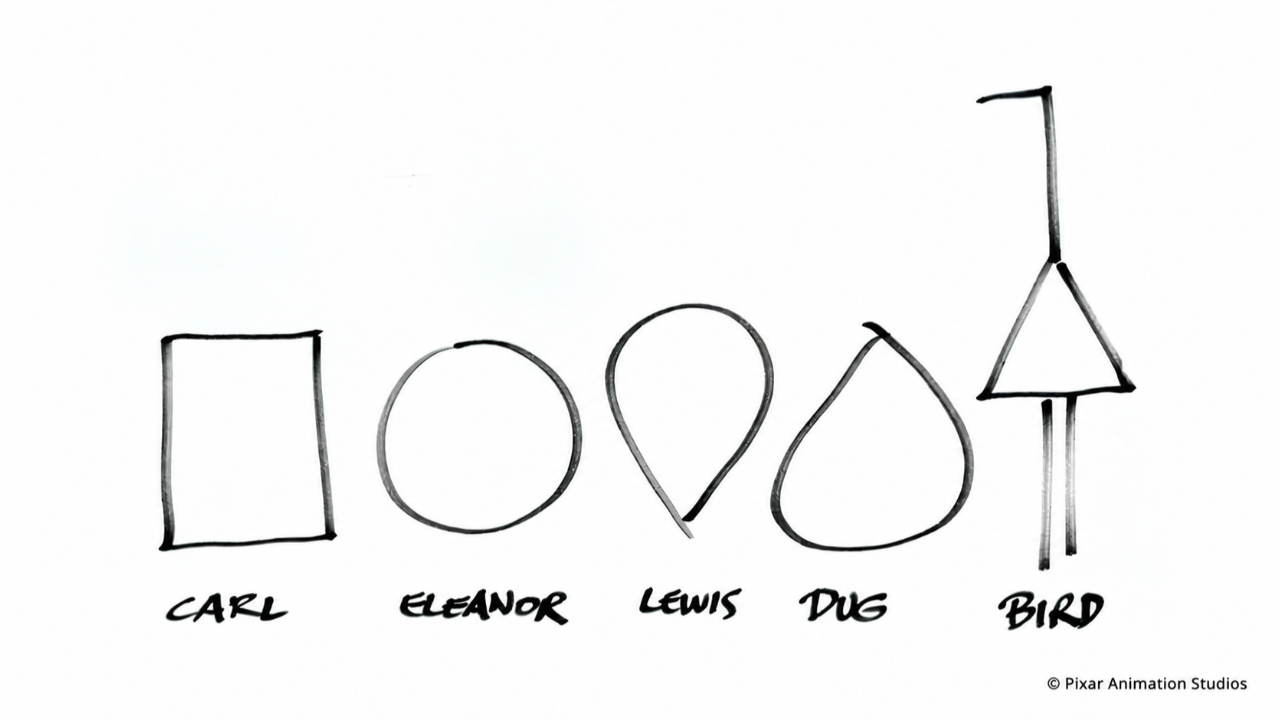
Some characters stay with us long after the film ends. We remember the way they move, the emotions they evoke and the small details that make them feel alive.
But what makes one character unforgettable while another feels generic?
It is tempting to think the answer lies in an unusual silhouette, an appealing colour palette or a perfectly rendered costume. These choices matter, but the most memorable characters are not built from visual details alone. They begin with personality, emotion and story.
Whether you are creating your first character or developing your portfolio, these seven character design principles can help you move beyond an attractive drawing and create a character the audience can recognise, understand and remember.
1. Start With Character, Not Design
A character can be beautifully drawn and still feel empty.
One of the most important lessons character designer Albert Lozano learned while working on Ellie from Up was that focusing on shapes, hairstyles, colours and poses was not enough. His early drawings explored different visual possibilities, but they did not yet capture who Ellie was.
The problem was not technical ability. He was thinking about the design before understanding the character.
Before deciding what your character looks like, ask:
- What do they want?
- What are they feeling?
- How do they enter a room?
- How do they react when something goes wrong?
- What makes them different from everyone around them?
The visual design becomes stronger when it grows from the answers to these questions. This is what it means to design a character from the inside out.
2. Let the Story Guide Every Choice
In character design, story comes first.
Every shape, proportion, costume element and accessory should support the narrative. A detail should not be added simply because it looks interesting. It should reveal something about the character or help communicate their role in the story.
Joe Moshier’s designs for Drago in How to Train Your Dragon 2 demonstrate this principle. Drago needed to feel like a genuine threat to both humans and dragons. His imposing scale, dragon-inspired details and cloak made from dragon skin all contributed to that idea.
The audience does not need a written explanation to understand that he is dangerous. The design communicates it immediately.
When adding a new element, ask yourself:
Does this choice tell us something meaningful about the character or the story?
If the answer is no, it may only be visual decoration.
3. Observe Real People
Inspiration does not only come from other films, books or artwork. It can come from paying attention to the people around you.
Albert Lozano discovered the key to Ellie when a young girl arrived at his workspace on a scooter and repeatedly asked him to draw pictures for her. Her confidence, persistence, messy hair and unstoppable energy felt remarkably similar to the character he had been trying to understand.
Instead of continuing to force new designs, he stopped and observed her. Those real details gave him new information about Ellie’s personality.
The resulting sketch was rough and unfinished, but it had something his more polished drawings lacked: life.
Observation helps you move beyond generic ideas. Notice how people stand when they are uncomfortable, what they do with their hands when they are excited or how their clothing changes the way they move.
Do not copy a person exactly. Use what you observe to understand how personality appears through behaviour, gesture and detail.
4. Capture a Feeling Before You Polish
An unforgettable character makes the audience feel something.
Albert’s breakthrough drawing of Ellie was not technically complete. The hands were barely defined, and the lines were loose and imperfect. Yet the drawing immediately communicated her energy.
That emotional reaction mattered more than the level of finish.
Beginners often believe that a polished drawing is automatically a successful drawing. But rendering cannot rescue a character that lacks personality. A rough sketch with a strong gesture can communicate much more than a detailed image with no clear emotion.
Before refining your drawing, look at the pose and expression. Can you understand what the character is feeling without additional context? Does the body support the emotion shown on the face? Is there a clear attitude?
Find the feeling first. Polish it later.
5. Use Shape, Silhouette and Proportion to Communicate
Although character comes before design, visual decisions remain essential. The difference is that those decisions should express personality rather than exist independently from it.
Shape language can make a character feel friendly, threatening, energetic, vulnerable or comedic before they say a word.
Joe Moshier approached Rhino from Bolt as a rounded, potato-like shape with large cheeks. The proportions reinforced the hamster’s comic personality. For Yzma in The Emperor’s New Groove, elongated, sharp and exaggerated forms helped communicate both theatricality and humour.
Consider:
- What does the silhouette suggest?
- Do the proportions reinforce the character’s personality?
- Which shapes dominate the design?
- Is there enough contrast between large, medium and small forms?
- Can the character still be recognised when reduced to a simple outline?
Memorable shapes are not simply unusual. They communicate an idea clearly.
6. Give Your Character a Life Beyond the Scene
To design a character convincingly, it helps to imagine that they exist beyond the specific moment shown in the story.
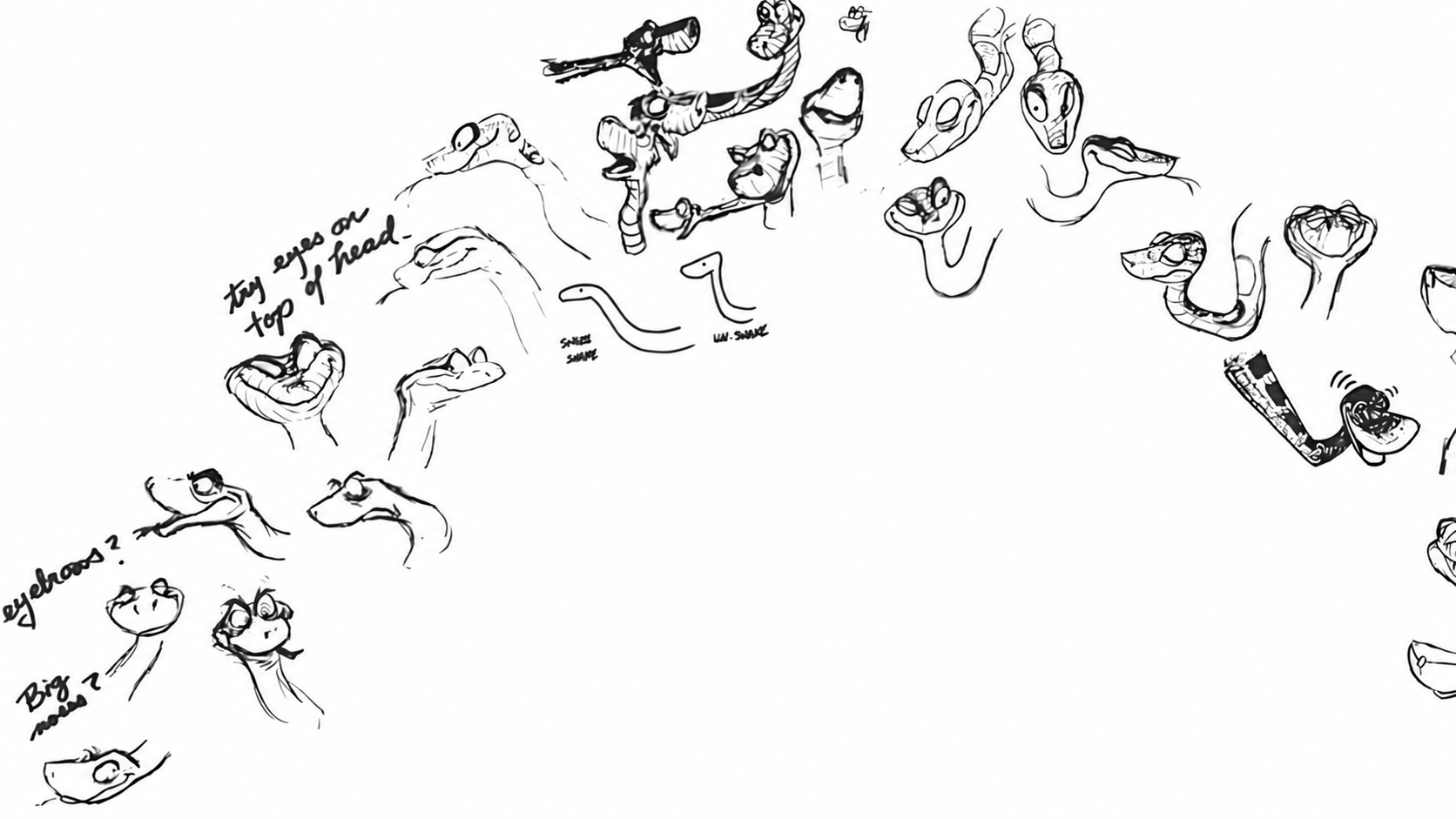
Joe Moshier considers how his characters might wake up, eat breakfast, become frustrated or move through an ordinary day. These imagined moments may never appear on screen, but they help the designer understand the character at a deeper level.
This backstory does not need to be complicated. Start with practical questions:
- What is the first thing they do in the morning?
- How do they behave when nobody is watching?
- What would make them laugh?
- What do they always carry with them?
- How would they order a coffee?
- What are they afraid other people might discover?
The better you know the character, the easier it becomes to make consistent choices about their gestures, expressions, clothing and behaviour.
Your audience may never know the full backstory, but they can often sense when it exists.
7. Push the Idea Further
The first recognisable solution is not always the most memorable one.
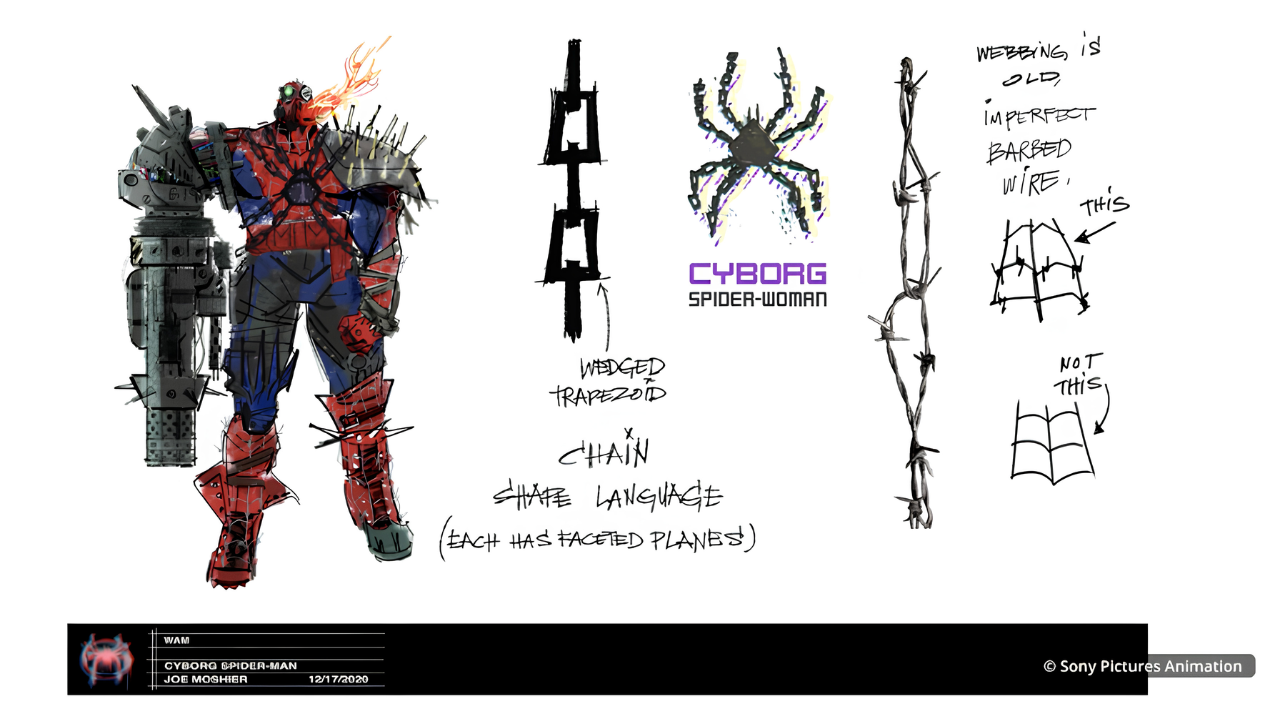
Once the design communicates the character clearly, look for opportunities to increase the contrast, comedy, danger or emotional impact. Joe Moshier used this approach when developing Cyborg Spider-Woman for Spider-Man: Across the Spider-Verse. The concept became increasingly exaggerated, combining an imposing scale with oversized mechanical elements and unexpected comic details.
Each new decision supported the heightened tone of the character.
Pushing an idea does not mean adding details endlessly. It means identifying the central concept and asking how far it can go without losing clarity.
Try asking:
- Can the contrast be stronger?
- Can the pose communicate more?
- Is the silhouette distinctive enough?
- Am I choosing the safest solution?
- What would happen if I exaggerated the main idea?
- Which details can I remove?
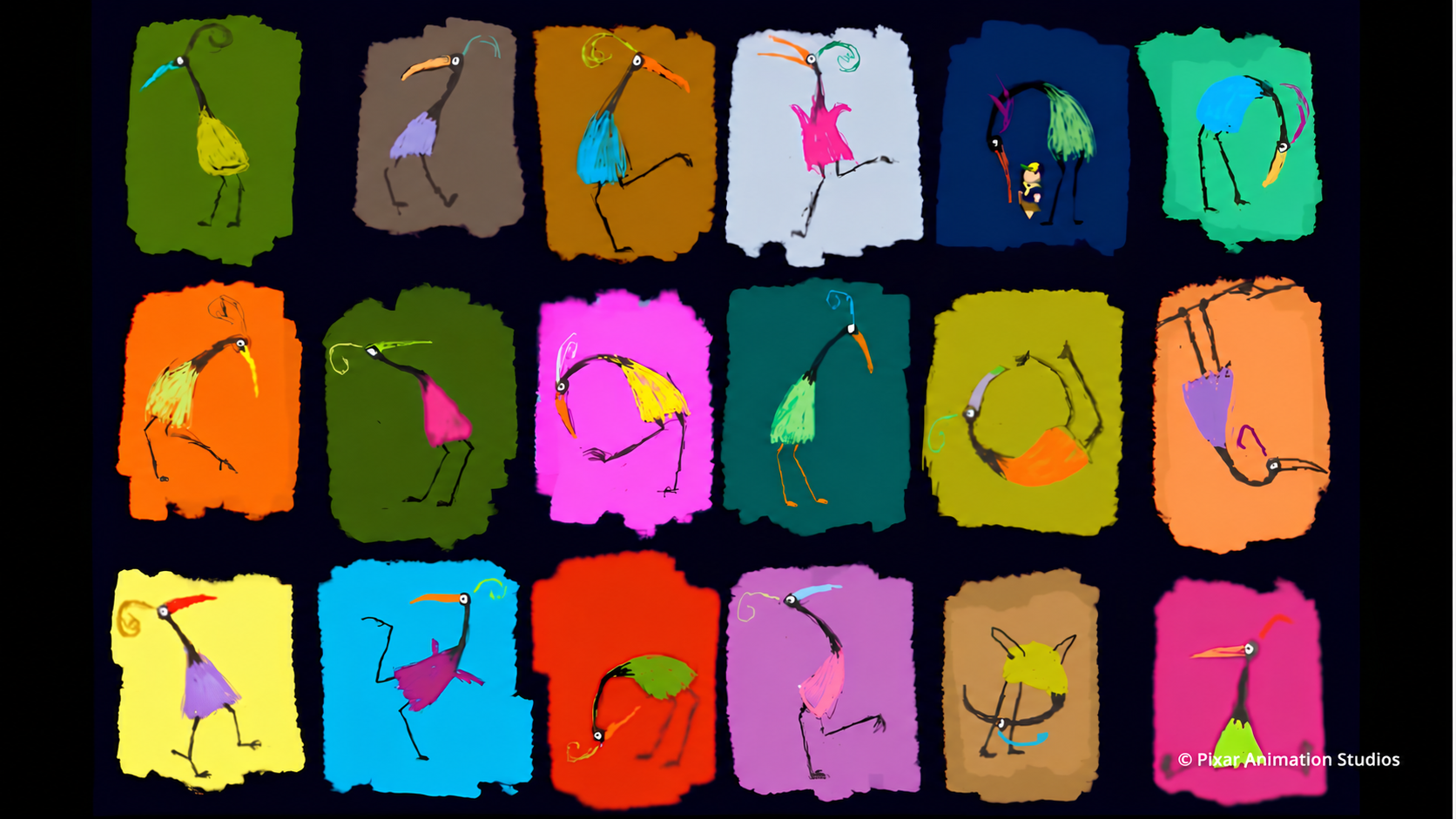
Exploration allows you to compare possibilities rather than becoming attached to the first drawing that works.
Character Design Begins With Understanding
The most effective character design principles are not rules about drawing perfectly. They are ways of thinking.
Start with personality. Let the story guide your decisions. Observe real behaviour. Search for emotion before polish. Use shape intentionally, imagine the character beyond the scene and keep pushing the central idea.
An unforgettable character does more than look distinctive. They make us curious. They make us feel something. They seem capable of continuing to live even when they are no longer on screen.
Before refining your next design, pause and ask yourself:
Am I designing an interesting image—or am I discovering a character?
That distinction can transform the way you work.
Learn to Design From the Inside Out
In The Art of Character Design, Albert Lozano, Joe Moshier, Bill Schwab, Borja Montoro and Carlos Grangel share the thinking, exploration and professional processes behind characters created for some of the world’s leading animation studios.

Discover how professional character designers translate story, personality and emotion into memorable visual decisions.