
Starting Art School This Fall? 8 Tips to Get Ahead
Oct 22, 2026
Starting art school can feel like standing in front of a blank page. It is exciting, full of possibilities and, at times, slightly intimidating.
You may be wondering whether your drawing skills are strong enough, what your teachers will expect or how you will keep up with assignments while developing your own creative voice. If you are searching for art school tips for beginners, the most useful advice may not be to buy more supplies or spend the entire summer trying to perfect your portfolio.
A stronger start comes from building the right habits.
The professional character designers teaching The Art of Character Design have followed very different paths into animation. However, their experiences reveal several principles that can help you approach your first academic year with greater confidence, curiosity and intention.
1. Create a Routine You Can Actually Maintain
Art school will give you deadlines, briefs and assignments, but you will still need to decide how to use your time.
A common mistake is to begin polishing an idea before exploring enough alternatives. It may feel productive because you are creating something that looks finished, but you could be investing hours in an idea that is not yet the strongest one.
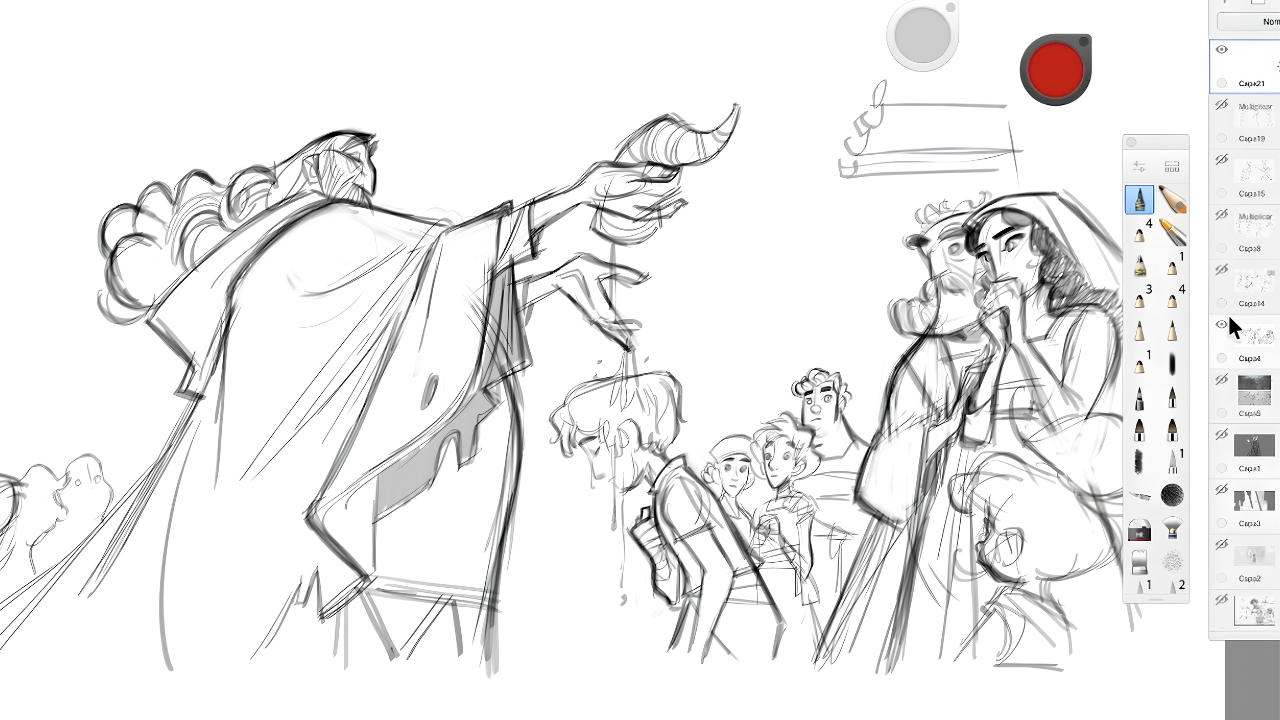
Character designer Borja Montoro recommends thinking about creative work in stages. Begin by generating possibilities. Once you have explored enough directions, select the strongest ideas and develop them further.
You do not need to replicate a professional studio schedule as a first-year student. Start with a simpler habit: before refining a drawing, ask yourself whether you have explored enough alternatives.
Separate time for:
- Research and observation
- Fast, imperfect sketches
- Selection and feedback
- Refinement
- Final presentation
Planning around stages can help you avoid spending all your available time on the first idea that comes to mind.
2. Do Not Treat Rough Drawings as Failed Drawings
Many students arrive at art school feeling that everything they produce needs to look finished enough to share online.
It does not.
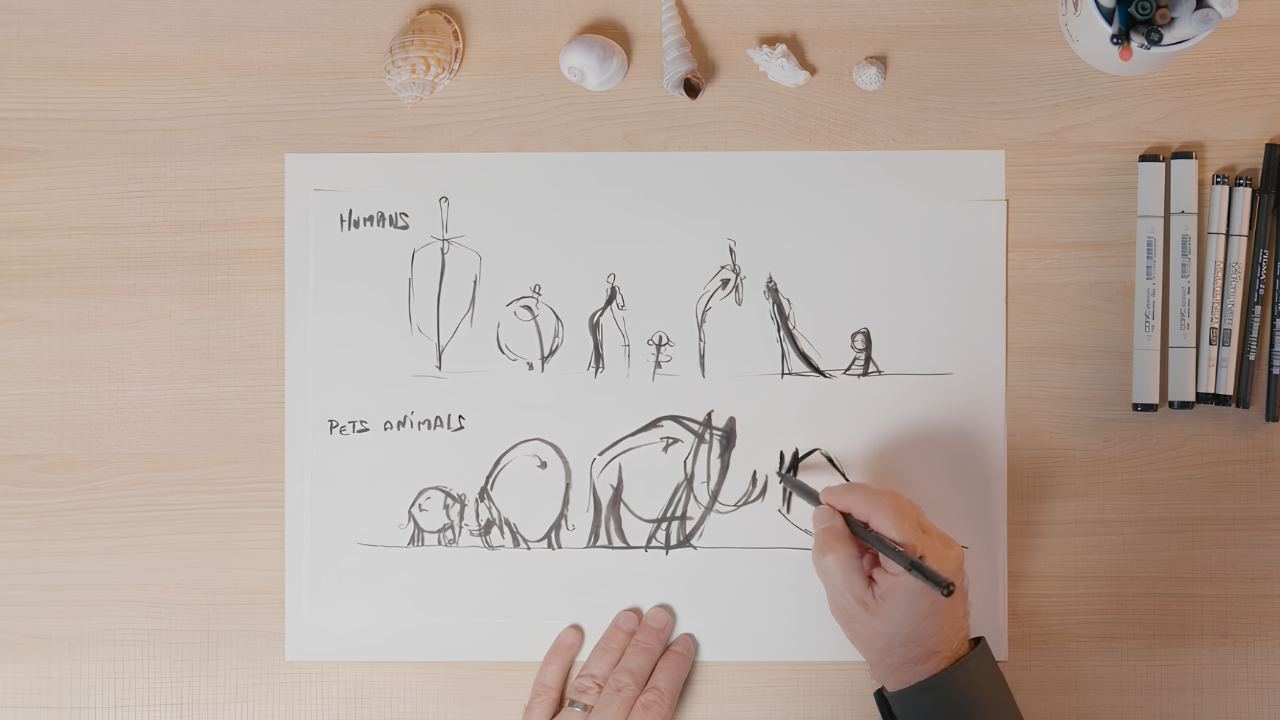
Rough drawings allow you to think quickly, test an idea and discover what makes a character work. A page filled with imperfect poses may teach you more than one highly rendered image that you were afraid to change.
When developing a character, try drawing them in different situations. How do they stand when they are confident? What happens to their posture when they are nervous? How do they react when they are surprised, frustrated or trying to hide something?
You are not only designing their clothes, face or proportions. You are gradually discovering their personality.
Learning to value experimentation will make critiques less intimidating too. If you understand that a sketch is part of a process, feedback becomes an opportunity to develop the idea rather than a judgment on your ability.
3. Learn to Step Away from Your Work
Working longer does not always mean producing better ideas.
Albert Lozano, character designer at Pixar Animation Studios, encourages artists to recognise that creative work continues even when they step away from the drawing table.
A walk, a book or a few minutes observing the world around you can introduce new information into your thinking. Taking a break is not necessarily a sign that you are distracted or uncommitted. Sometimes, it is the moment when your brain finally has enough space to make an unexpected connection.
Build short breaks into your study routine, especially when you find yourself repeating the same solution without making progress. Return to the drawing and look at it again with fresh eyes.
4. Become Curious About the Entire Production Process
Character design is collaborative.
In a professional animation pipeline, a design must eventually be understood and used by other departments, including modelling, rigging and animation. This means that a successful character designer needs more than an attractive drawing. They need to communicate how a character moves, acts and exists from different points of view.
At art school, pay attention to disciplines beyond your immediate specialism. Talk to animators, filmmakers, sculptors, illustrators and 3D artists. Join collaborative projects when possible and notice what information other people need from you.
Understanding how your work connects with theirs will help you become a more useful and adaptable artist.
5. Review the Design Before You Call It Finished
Knowing when a design is truly finished can be difficult.
After spending hours on a character, you may become attached to the drawing or stop noticing the elements that are not working. This is why learning to evaluate your own work is just as important as learning to create it.
Joe Moshier recommends beginning that review with two fundamental questions:
- Am I satisfied with this design, or could I push the idea and shapes further?
- Does the design communicate exactly what I want it to?
If the answer to either question is no, the design may need another round of exploration.
A successful character should communicate something about who they are and what they are feeling at a glance. That communication depends on several interconnected choices, from the emotional clarity of the expression to the strength of the pose and silhouette.
You do not need to judge all those elements from memory.
Before adding your next character to your portfolio, download Joe Moshier’s Design Checklist and review your finished design step by step.
The checklist will help you examine the creative and technical decisions behind your character, identify areas that need more work and decide whether the design is ready to be presented.
6. Start Building Your Portfolio Before You Need It
Do not wait until graduation—or until an opportunity appears—to think about your portfolio.
Disney art director and character designer Bill Schwab continued developing personal work even while he was employed on professional projects. That preparation mattered when an opportunity arose and he needed to submit a portfolio quickly.
Your first portfolio will not be your final portfolio. It should change as you learn, develop new interests and produce stronger work.
Begin by keeping an organised archive of your projects. At the end of each term, review what you have created and ask:
- Which pieces represent my strongest skills?
- What type of work do I want to do more often?
- Do my projects show only finished images, or also how I think?
- Is there anything included simply because I spent a long time on it?
- What important skill is currently missing?
A small, carefully selected portfolio is usually more effective than a large collection of inconsistent work.
Before including a piece, use Joe Moshier’s checklist to evaluate whether the design itself is communicating clearly. Then consider whether it supports the kind of artist you want your portfolio to present.
7. Think About How You Present Your Work
Your portfolio is not only a collection of images. It is your introduction.
Character designer Carlos Grangel encourages emerging artists to treat their websites and social profiles as professional showcases. Presentation should be elegant, precise and focused on the work you want people to remember.
Complex graphics, distracting backgrounds or inconsistent typography can make even strong artwork more difficult to appreciate. Your portfolio design should support your images rather than compete with them.
You do not need to build an elaborate personal brand during your first week of art school. You can, however, begin with a few practical steps:
- Use the same professional name across your main platforms.
- Create a simple system for photographing or scanning your work.
- Write down the title, date and context of each project.
- Keep high-resolution versions of your final pieces.
- Make your contact details easy to find.
- Review what your public profiles communicate about your interests.
Think of your online presence as something you will develop gradually, alongside your artistic skills.
8. Build Relationships, Not Just a Contact List
The people around you may become future collaborators, colleagues or creative partners.
Bill Schwab’s experience also highlights the importance of staying in touch with the people you meet throughout your career. Opportunities in animation do not come only from sending applications. They can also emerge from relationships built through shared projects, conversations and consistently good work.
Be generous with feedback. Ask thoughtful questions. Participate in group projects and show genuine interest in what fellow students are creating.
Networking does not have to mean promoting yourself to everyone in the room. At this stage, it means becoming part of a creative community.
Tips for Your First Weeks at Art School
You do not need to have everything figured out when classes begin. Instead, use your first few weeks to establish habits that will support your creative development throughout the year:
- Build a sustainable routine. Organise your time around research, exploration, feedback and refinement, while leaving space for rest.
- Be open to experimentation. Allow yourself to create rough drawings, test different possibilities and learn from ideas that do not work.
- Stay curious beyond your expertise. Explore other disciplines and pay attention to how your work connects with the wider production process.
- Review your work honestly. Before calling a design finished, step back and consider whether it communicates your intention clearly.
- Organise your work from the beginning. Save your sketches, process and final pieces so you can gradually build an interesting portfolio.
- Build genuine relationships. Learn from your classmates, share thoughtful feedback and take part in the creative community around you.
Art school is not a test of whether you already know everything. It is an opportunity to discover how you learn, what kind of artist you want to become and which creative problems excite you most.
The habits you develop during these first weeks—exploring before polishing, managing your time, reviewing your designs honestly and learning from others—can continue supporting you long after your first academic year.
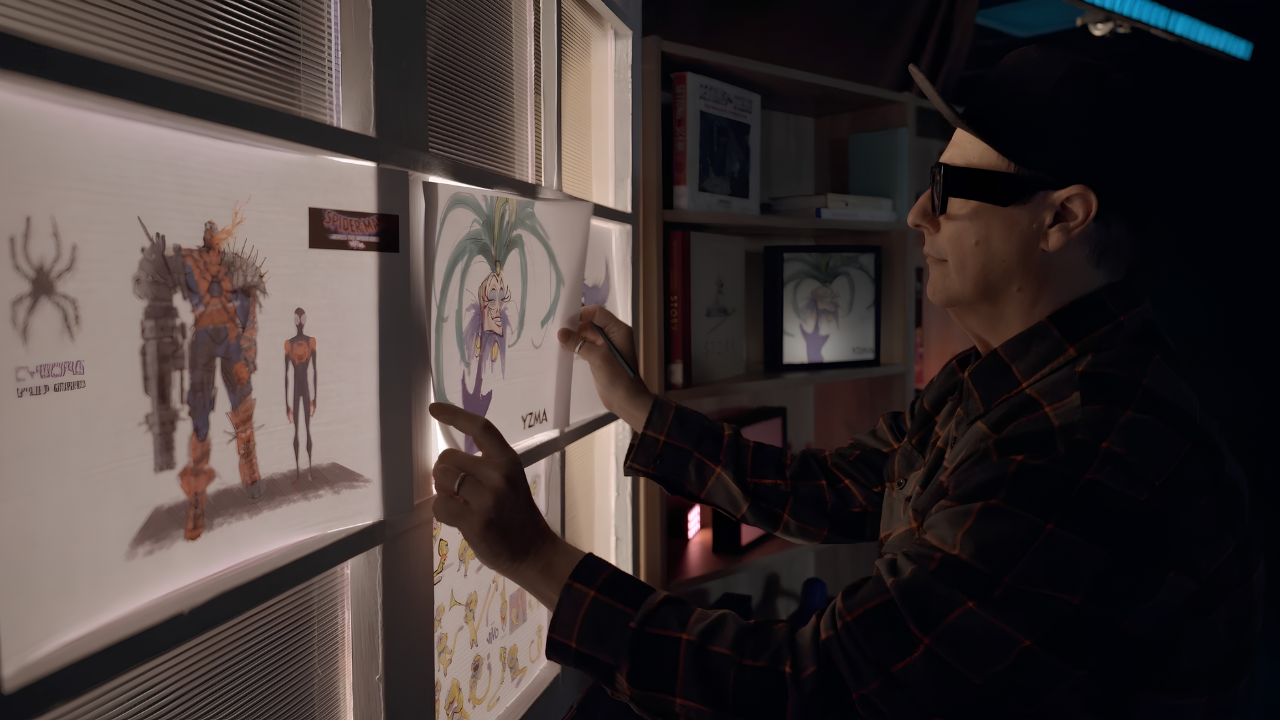
Is Your Latest Character Design Ready?
Before you place it in your portfolio or move on to the next assignment, take a moment to evaluate what the design communicates.
Download Joe Moshier’s Design Checklist to review its emotional clarity, pose, silhouette, proportions and other essential design decisions.
If you want to explore the complete process behind creating characters that communicate personality and tell stories, discover The Art of Character Design and learn from artists behind some of animation’s most memorable characters.
